I was a natural leader. People gravitated toward me. I read a room well, I was confident, I got things done. For a long time, that felt like enough.
Here is what I have learned since. Even natural leaders have blind spots. We all do. And without actively working on our own development, natural talent does not protect you from going stagnant. It just delays when you notice.
That is the shift that changed everything for me, and it is the reason Catalyst exists at all. Being good at leading peopl...
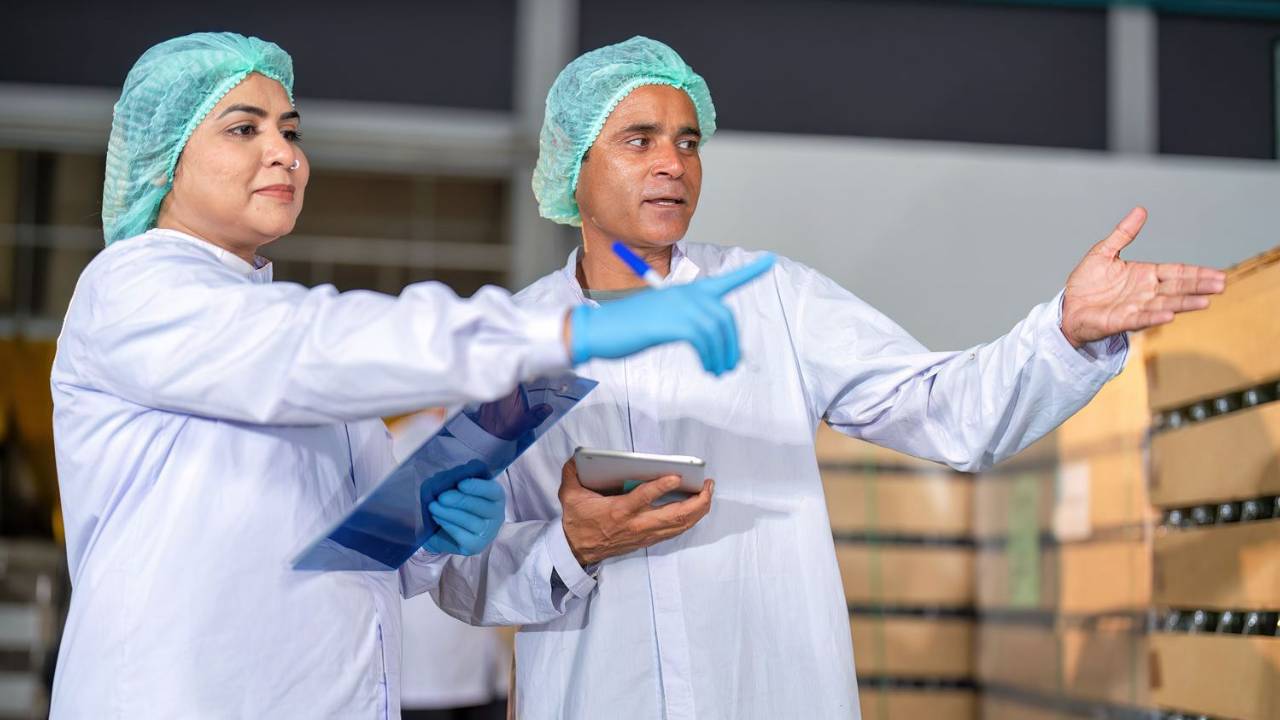
The lines that run smoothest in food manufacturing are rarely the ones with the newest equipment. They are the ones where people know exactly what is expected of them, feel comfortable raising a concern before it becomes a problem, and trust that their direct supervisor will actually listen when they do.
That is not luck. That is leadership.
Communication breakdowns on the floor rarely look dramatic. They show up as a missed changeover instruction. A food safety concern that nobody mentioned u...
Walk onto any food manufacturing floor and you feel it immediately. The pace does not stop. Production lines run around the clock. Quality checks happen constantly. Every shift carries the weight of food safety compliance, workforce pressure, and the knowledge that the margin for error is razor-thin.
I know this feeling well. I spent years inside it before Tia and I built Catalyst. And what I know from that time, confirmed now by every organization we work with, is that the leaders running thos...
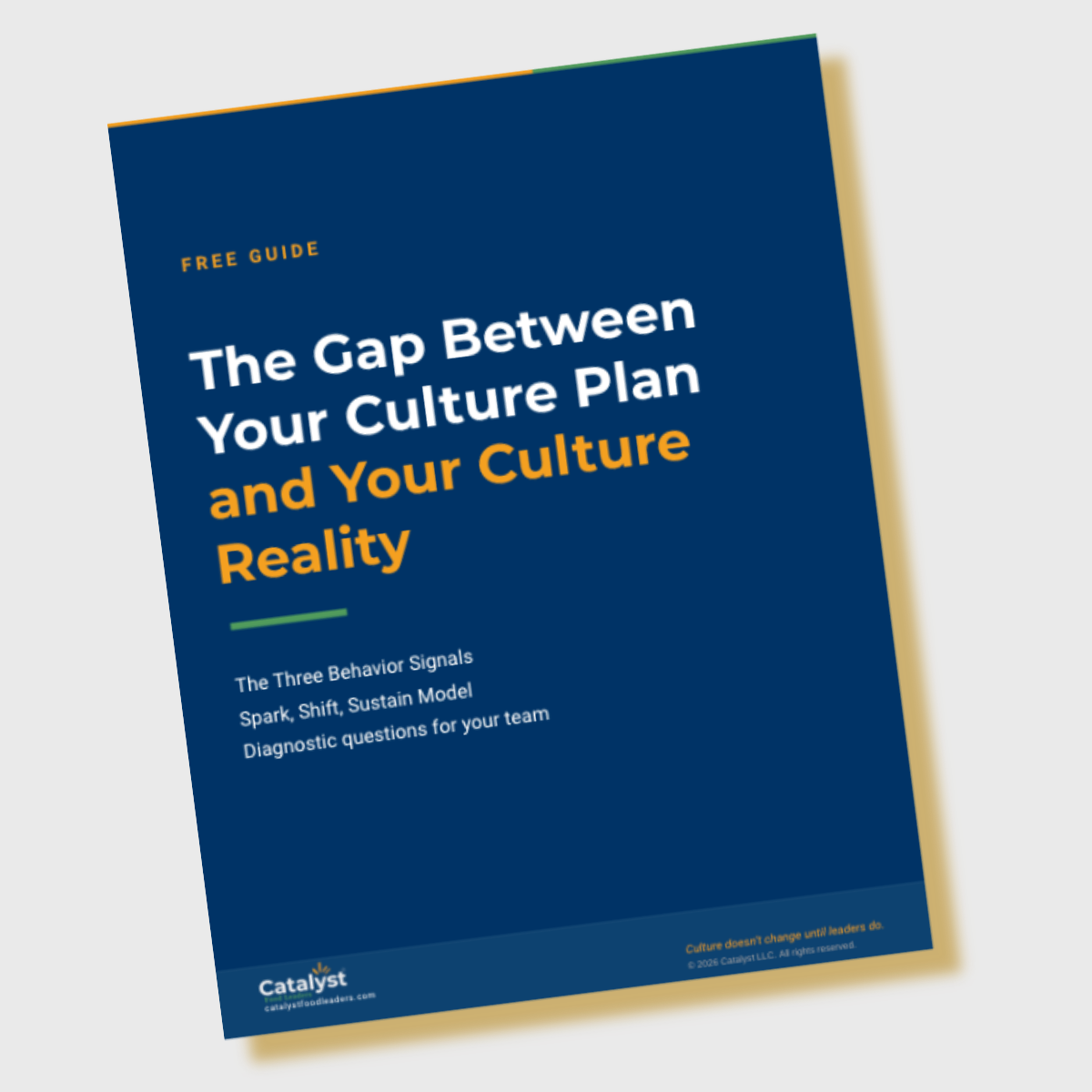
Food manufacturing leaders face pressures, food safety audits, production deadlines, workforce turnover, and razor-thin margins that generic leadership training doesn't address. Food Manufacturing Leadership Training built specifically for the industry helps leaders connect daily behaviors to culture, safety, and performance. At Catalyst Food Leaders, this coaching-based approach improves food safety, retention, and performance by turning leadership development into a sustained practice rather t...
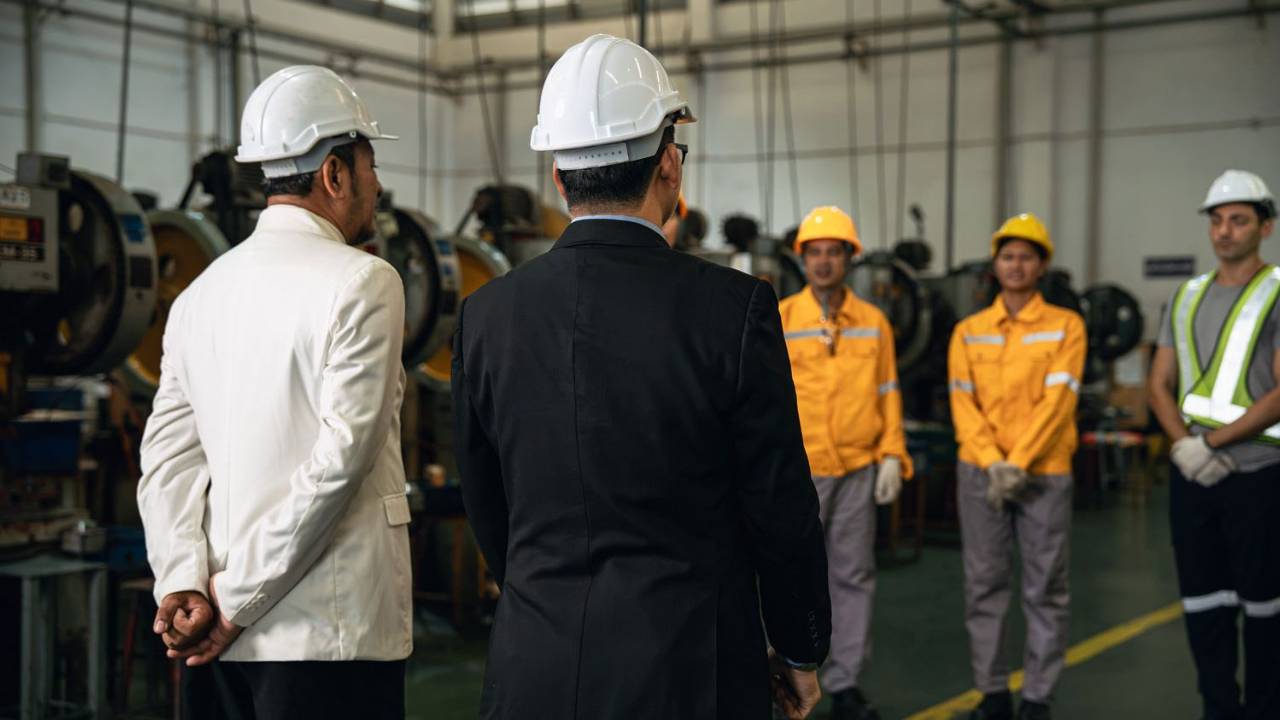
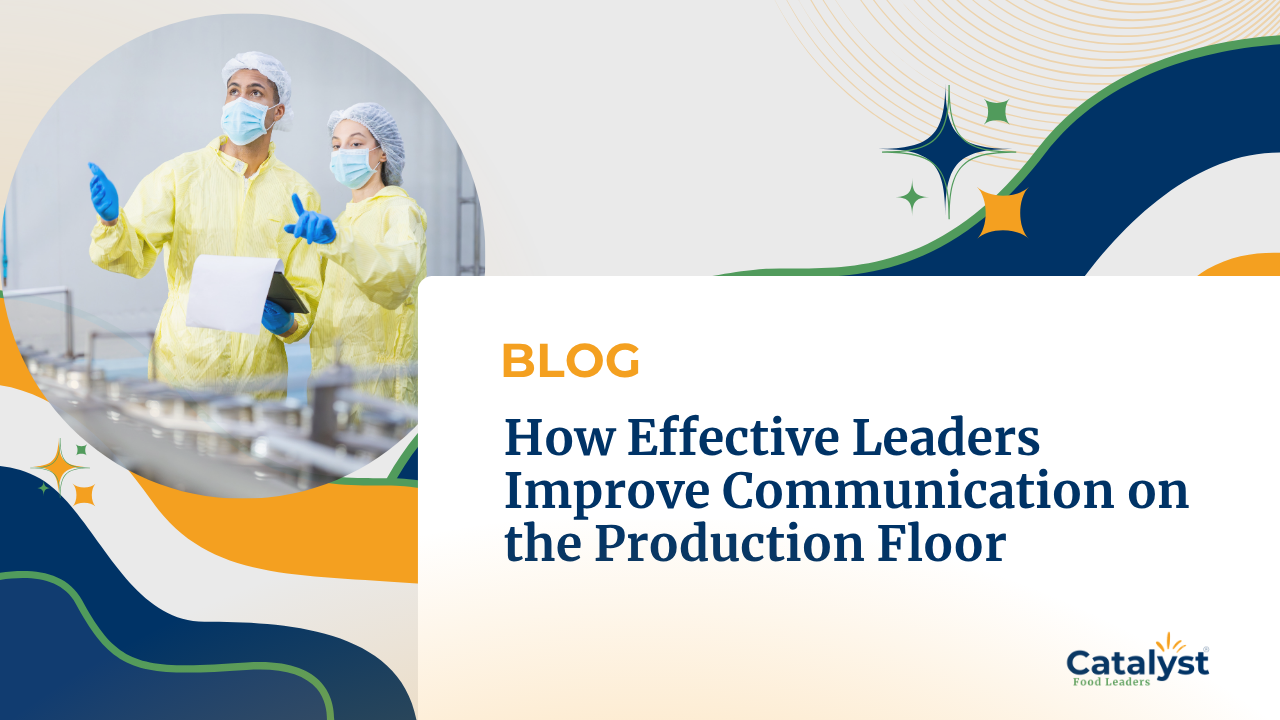
Effective leaders improve communication on the production floor by modeling clarity, creating consistent feedback loops, and building trust through daily behaviors rather than one-time training. Catalyst Food Leaders helps food manufacturing leaders develop these skills through coaching-based Food Industry Leadership Development programs that turn communication theory into everyday practice, improving food safety, retention, and performance.
Walk onto any production floor, and you'll notice som...
Most leadership development programs in food and CPG do not fail because nobody cared enough to build them. They fail because they were built to work for a season, in one part of the organization, carried by one or two people who believed in the mission enough to hold it up alone. And for a while, that is enough. The program runs. People notice it. Someone points to it in a board meeting as proof the company invests in its people.
Then the organization grows, or the person who built it moves on...
Most food companies treat audits like finish lines. Weeks of preparation, a flurry of corrective actions, a score that lands somewhere in the acceptable range, and then life goes back to normal. Until the next audit cycle begins.
A strong audit score and a strong food safety culture are not the same thing. One is a snapshot. The other is a way of operating. And the gap between them is where most organizations live, often without realizing it.
At Catalyst Food Leaders, this is exactly what food...
Most food companies do not have a food safety problem. They have a leadership culture problem.
The procedures exist. The SOPs are documented. The audits get scheduled. And yet, somewhere between the written policy and the production floor, something gets lost. People cut corners not because they are careless, but because the culture has not made food safety feel personal. It feels like a requirement handed down from somewhere above them, not a value they genuinely hold.
That gap is frustrating...
I have watched this pattern play out more times than I can count.
A talented technical expert gets promoted into a supervisory role. They know the science. They know the process. They have earned the title. And then, within months, their team is struggling. Turnover spikes. Food safety incidents increase. The leader is exhausted and confused, doing everything they were always good at and wondering why none of it is working.
Nobody taught them how to lead people. That is the whole problem.
...
I have spent my career in food. I know what it feels like when a facility is humming, when the team trusts each other, when food safety is not a checklist but a shared conviction. I also know what it feels like when none of that is true.
The organizations that struggle most are rarely struggling because of bad procedures or wrong staffing numbers. They are struggling because of a leadership gap. And in my experience, that gap is almost never what it looks like on the surface.
Food manufacturin...
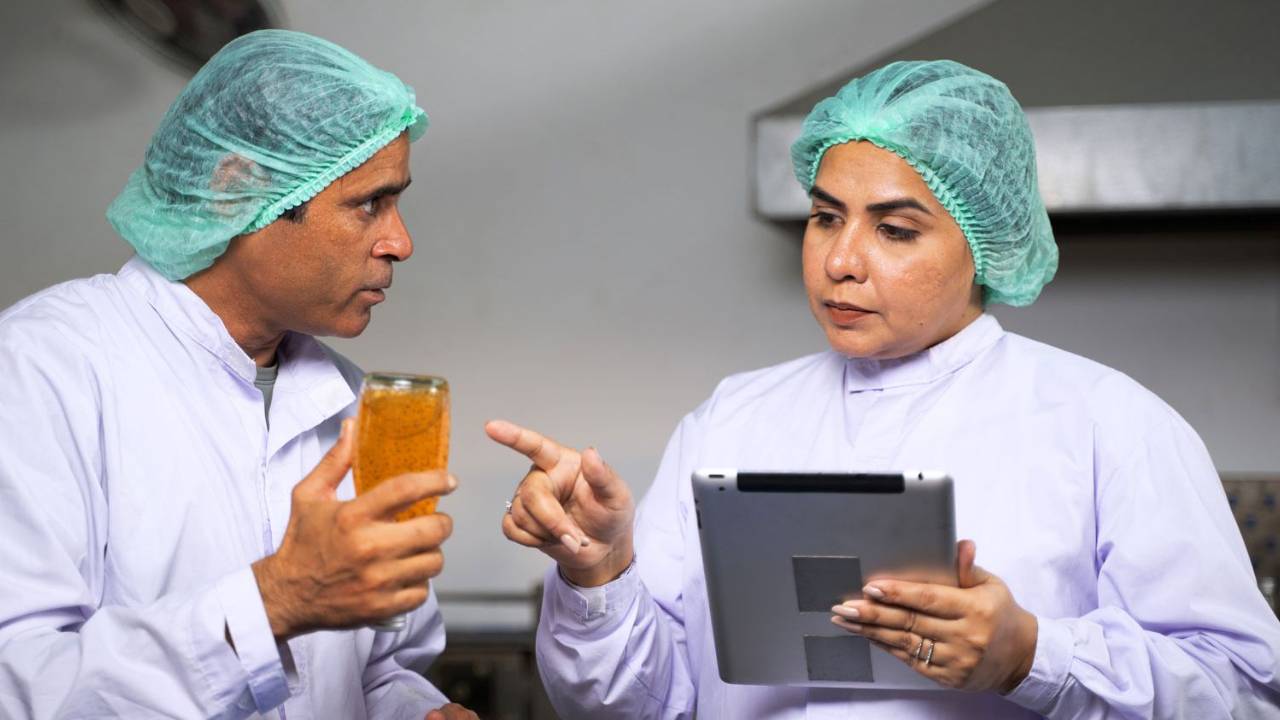
The top leadership challenges in food manufacturing include high turnover, disengaged teams, cross-functional accountability gaps, and leadership culture that doesn't hold under pressure. Overcoming them requires sustained, coaching-based leadership development built specifically for the food industry, not generic training programs.
Food manufacturing is one of the most operationally demanding industries on the planet. Production schedules don't pause, audits arrive without mercy, and the margi...
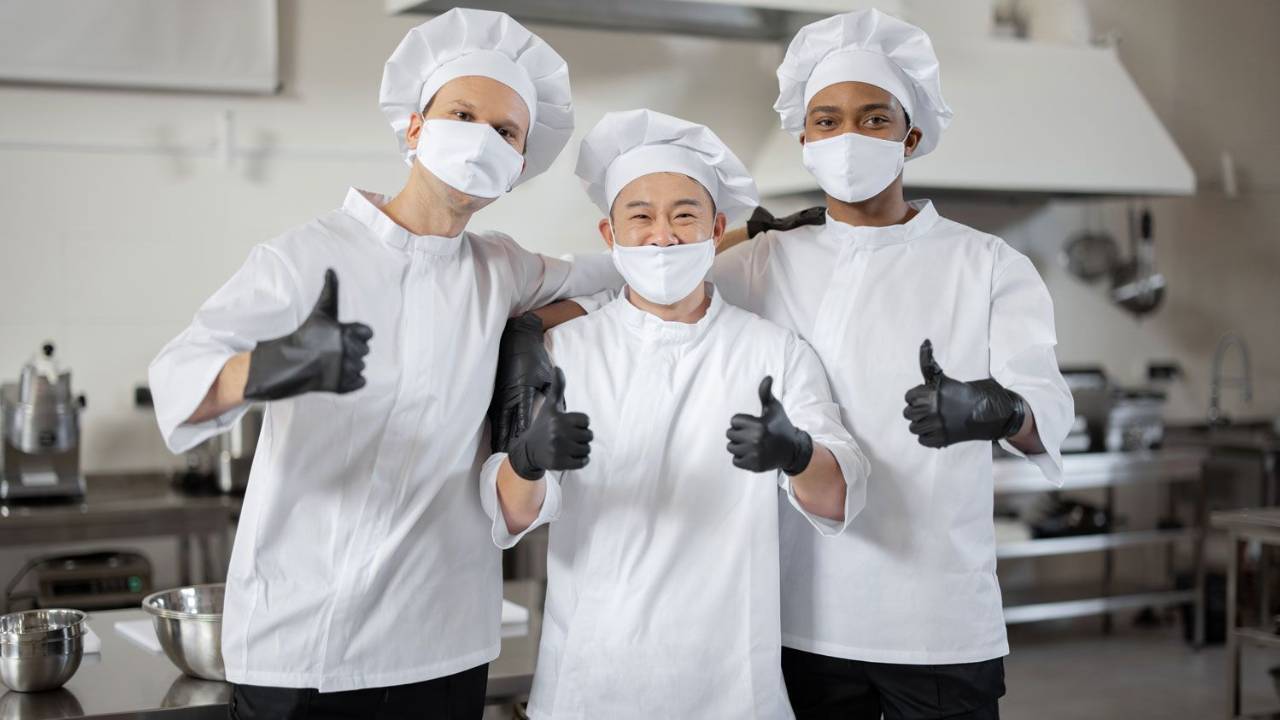
Leadership development in the food industry directly improves food safety outcomes, reduces employee turnover, and drives measurable business performance. When food companies invest in coaching-based leadership programs, they close the gap between what their teams are capable of and what they actually deliver, creating cultures where results are consistent, not accidental.
There's a pattern that shows up in food companies of every size. A talented technical expert gets promoted into a superviso...