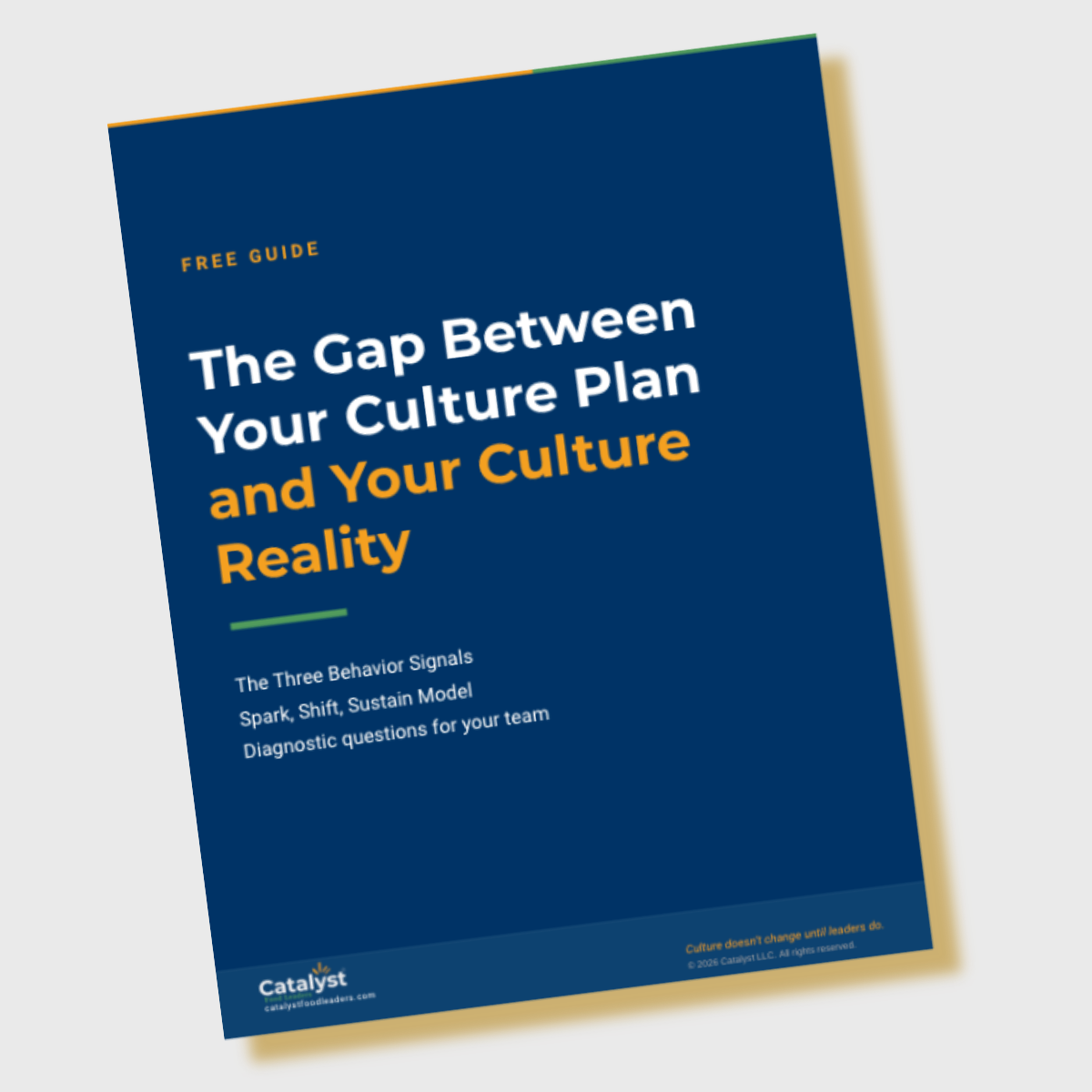
Hello, everyone. Welcome to Real Talk with Tia and Jill. And we have a very special guest with us today, Allison DeGraffen-Reed. Welcome. Thank you so much for inviting me to today's conversation. I appreciate it. Yes, we're so excited to have you here. What a great way to kick off our Monday. And of course, if you're listening to this on the podcast, well, it could be any day, but we record live typically on Mondays. So happy to have you all here with us. yes yes now fun fact about allison is that she actually hired me into the food industry as well as my husband theo she had us both same day we didn't know each other at the time but she hired us into general mills at the time and so thank you allison for introducing me to the food world I had no idea as a chemical engineer. I don't know why, but I had no idea of food. The food industry hired engineers. I guess I've never really put it together, but I am so grateful to have ran into you and other people and kicked off my career in food safety and quality within food. Yes. As I always tell chemical engineers, do you want that pipe to have sulfuric acid in it or do you want that pipe to have honey in it? Same heat exchanger, same everything. Which one do you want in the pipe? But I'm so proud of you and Theo both and how you've matured in your careers and become a food safety and quality professional. So I'm very proud of both of you. Oh, thank you. Thank you. What is it like to know Allison that you like changed the trajectory of their life? Otherwise, Tia could have ended up in oil and gas or I don't know, on Broadway or something. Right. And serious risks that are in the environment. And of course, there are risks in the environment of food. But again, it's like you come home dirty from working in a food and you're covered in flour dust and and honey and sugar. And so, yes, I enjoy recruiting a ton. And I love talking to young folks and just helping them see what's possible over here. I'm a chemist. I'm a PhD in chemistry. No one ever talked to me about food. And I always say that if I just learned about food earlier, I just would have done this because it's an amazing place to be. Yeah, I agree. And one thing when I first met you, I still remember. I still remember the questions during the interview process because I'm like, I have no idea. I've never even seen food made outside of like how it's made on TV. And I had just no idea. But you were just so encouraging. But one thing, like even as we talk about today, as we start thinking about culture, one thing that stood out to me meeting you and even meeting other people while I was interviewing is the culture. I could tell, and I didn't have the words at the time to talk about it in this way, but really what I was seeing was this culture of the community that you all had, the friendship that you all had. I mean, unlike any other company that I interviewed with, I could tell the people that were recruiting actually liked each other. They enjoyed working together. They enjoyed the work that they did. That was something that made me think, okay, I want to hire into this organization because I see the way this group of ladies work well together. Kenny was there. I remember, but culture was just, that's what brought me there because I saw the way that you all interacted together. I knew absolutely nothing about food or quality or food safety, nothing about it. I've never even heard of it in this way until I was at this conference. But culture just seeps through in everything that you do and how you interact with one another. And people pay attention to it. It makes you feel, ooh, I want to be a part of that. I want to do what they're doing. I want to laugh at work. I want to engage at work. And I could really tell, I mean, to this day, Everyone is still friends, still gets to know one another, whether they work at General Mills or not today, still connected. And I felt that like, you know, thirteen, fourteen, fifteen years ago, connected for the first time. That that whole culture of that company, everything there was was magical. And I every place I go, if it's not already there, I try to recreate it. Mm-hmm, mm-hmm, mm-hmm. You know, and what a good segue into what we're talking about today, because this whole conversation around culture, and I love, Tia and Allison, that you talk about like the people and kind of these immediate teams and like how you felt that. Yeah. The question that I think sticks in everybody's mind is like we, a lot of times people say, but I love the people around me. It's all the other stuff that creates my headaches, right? Like whether it's other managers above me or people lateral to me or even senior senior leaders. And that's the part that I think in the food industry, we have a hard time kind of getting our arms around. How do we help this culture that you all just experienced talked about experiencing like locally, like and I know within General Mills, they had a good culture, but like throughout an organization. Like how does that look and feel to be able to really drive like the proactive food safety quality cultures that we all want to see? Yes. I mean, it definitely has to start at the top, right? And so it's got to be the CEO trickling down to the plant manager, trickling down to the department managers. It has to be very clear that food safety and quality matter. And so I would say most companies will say, yes, food safety matters. It is so important. But it's really about what are you talking about every day? to the people on the floor, to the people in your group, et cetera. If you say food safety really matters, but stop that. We don't want any more hold orders and we're not going to store any more product and, you know, pick up every crumb and rework it into the batter, I mean, or whatever product, that's okay. Rework, of course, is okay. But if you focus on that, then it's very clear, very obvious to people very quickly what's more important. And it's not actually food safety. And so how do you just make sure that, of course, we need to talk about how many cases did you make? Of course, we need to talk about the holds and how can we get better, but it's not punitive. And it's like, I can't believe you had a hold. It's We had a hold. OK, let's pull up our pants. What are we going to do to not do it again? And so that's the difference in how we have to be talking to our people on the floor, because they're the ones that are doing it. Right. And to make sure that we're not saying one thing, but doing the other. Right. Right. Exactly. Exactly. And making people feel like this organization cares about the work that I do. They care about not just money, but they actually care about the product that we're sending out and the business that we have. Absolutely. I mean, I think most companies, the very first thing they talk about on every agenda of every meeting, particularly if it's a big town hall kind of situation, is food safety, people safety, right? But after that, you don't talk about it ever again. Again, it's like, oh, they checked the food safety box. They said the words. And but then we spent the whole time talking about everything else. And so when I'm doing my job, everything else is actually more important. And therefore, I will take the shortcut. I will bound to work around. I will just not do stuff. Right. Right. It makes me think of like the how, like, how are you doing this? Sure. Maybe we saved money or we got cases out the door. But how did we do that? Did we cut corners or did we do it the right way? And even as we think about, you know, SQF just rolled out, it's part of this topic today. Some of the different auditing schemes are trying to tackle food safety culture in particular in a certain way. they're really talking about the how right the how around how do you show up in these different areas how does leadership show up how can your organization show up and what what things can you kind of put into place to know how you're doing right in that process exactly yeah i think that since food safety culture has been a conversation for a while now and there have been groups doing assessments for companies etc i've been involved in some of those myself um you know, people do have the checklist and they do have the posters and they do have the surveys. But if you think that you're done because you have a checklist, a poster and a survey, you're wrong. And that's where people fail. I don't know. They plateau, don't they? Plateau is such a better word. Well, cause even if they've done the survey, they typically will have a plan and they do something for a while, but that's not sustaining typically. Exactly. And the survey at some point it's like, Oh, it's time for the quarterly survey to ask those same questions. And what are we supposed to say for this one? I'm not, that may happen. It may not happen in some places, but, um, it's really, that's, that's not, Those are your foundation. You need good documentation. You need good SOPs. You need that foundation. You need the signage. But you've got to get to what is actually happening every second on the floor with the people that are doing the work. Because they have no choice. They just had a metal detector failure. You have a choice. Do I keep it moving? Or do I say... Hey, this metal detector wand failed or I got a kick out. And so that's where the rubber meets the road. And that's where we need to be making sure we're on the floor with the people talking to them. And it's really the why, right? Yes. Some things are probably more obvious of the why. Why did the metal detector kick out? It's very obvious. It kicked out metal and we don't want metal. It's very clear for everyone, but something more positive. unobvious, maybe might be an environmental monitoring failure or something like that. Oh yeah, over in zone three, there was a micro failure of a pathogen. It was zone three. Who cares, right? You've got to give the people the why so that they understand why it matters, how zone three becomes zone two, becomes zone one, becomes... product, right? And so we just have to make sure that we're always telling people why they should care about this food safety metric and not just go do it. Auditors now do the interviews. That's a key part of these assessments. And it's what things are you doing for food safety? And if they're like, don't think i'm doing anything for food safety and you have you prod them well you're checking the bells like oh yeah yeah yeah i'm checking those you know it's just um how do they how do you help them to know which things are food for food safety so that they can very quickly be proud of what they're doing because they're saving lives right or saving injuries or saving sickness um and quickly be able to answer those kinds of questions when the auditor Yeah, we run into operations leaders or people on the floor where, what do you do for food safety? And they start talking about cases or case count or startup time. And that's really where you start to see that maybe they don't quite understand. Right, right. Yes, exactly. We finished our sanitation in four hours. That is not a food safety measure. Right. Like, did you need four and a half, though, right? Right, right. Exactly, exactly. Well, you know, we even talk about, like, the difference between telling people why, which is so important, right? That was a missing piece for a long time. But can we also help people, you know, that next step of, like, why should it matter to you? Yes. Because I think people under, you know, there's, I think that core logic of like, we get like food safety, we're trying not to kill people, but really helping people be like, it matters to me because even if it's something like, if I do this well, then that means I have a job. If I do this well, it means my team trusts me. If I do this well, it means like, what is meaningful for that individual to also be like embody that why. Right. Yeah. And that is definitely going to be individually based. And so how do you help that person figure it out for themselves sometimes? Right. So for me, just knowing that we have great food safety and I'm saving the world from injury and illness is all I need. Right. But you're right. Some other person, it needs to be more personal and it needs to be, but for you, what, why do you have this job? What's important to you about the job? And oh, doing these food safety things appropriately every time is a part of that. Because if you do it wrong enough times, the wrong time, the one wrong time is enough for it to be significant. So if you're joining us, hello, everyone. There's been some comments too. Hello. Hi, Michelle. Yes. That's agreeing with what you're saying around surveying, kind of getting outside of the bubble of surveying and really executing and really knowing what's happening on your floor, what's happening within your organization. um so people really enjoyed what you were saying there if you are new to us i'm tia jill we said who we who we are earlier and this is this is real talk by catalyst food leaders and we have honest conversations like this to lead people forward in food and so allison we're so happy to have you here today you have worked at many different companies leading in food safety and quality And we talked a little bit about edition ten coming out with SQF that it was just released in March on March first. And so audits are beginning next year. And so there's a lot of conversation around food safety culture, what we're talking about, how do we do it? And then what does the standard going to have us do? Which for people who listen to Jill and myself enough, we bring up to the checkbox. And Allison, you brought that up on are you really just doing a checkbox or are you actually really understanding what that means in your organization? So we kind of kicked off the conversation and we're going to dive even deeper into it today. Yes. Well, you know, to kind of kick off from there, you know, one of the things that I find fascinating is these companies that they have these amazing audit scores, right? Ninety-nines, ninety-eights, you know, like a hundred even. A hundred drives me nuts. Like, really? i think i just paid an auditor how much cash and you couldn't find one thing one thing to help us improve our business good god a whole nother whole another like segment for real talk um but i think this is the part where You know, we get these audit scores and as a food safety quality professional, right? Part of our obligation is to help our company stay in business because a lot of people do depend on what we can offer. So we're often stuck in this spot of we know we want to get the best audit score we can. It's like a test, but we also know where all the dirty laundry is. Alison, in your experience, like, you know, these places that look great on paper, and then you go in there and you're like, Ooh, they're not quite there. Like what, what do you see as that main difference between these things? Right. I mean, the point is you could have incredibly well-written SOPs. At one of my companies, we took those SOPs and we put them in a wonderful computer program. Everything was just beautiful. except our trainers were training shortcuts. And so it's really about the paper is mandatory, it's required, because you can refer back when there's an issue to what should have happened versus what didn't. But what really truly matters is what are the folks on the floor doing? And so and that's, again, what is different about when you're doing the audit and interviewing on the floor and asking the questions and observing you also need to just stand there and watch um i remember very early in my career i was young quality engineer and i just go stay on the floor and watch i just do a lot of talking but um you know and they i just became part of they just didn't know what i was there for right and it was just watching we had these brand new magnets and people were doing them completely wrong and It's just that observation part. I didn't just go to the floor because I need to do a check or check on something. You need to stand there and watch. And auditors are doing that more and seeing that more also. And we, as people working in our manufacturing facilities, I still visit facilities now. Let's just go out there and watch. Watch for a while. Because you'll see something that wasn't on the paper doesn't say to do that. But someone trained or found it was easier to do it this way. And you just have to get out there. I'll go ahead. Well, I was going to say, that's really what the difference is. Auditors used to come in and do a whole bunch of paperwork checking, and they still do a whole bunch of paperwork checking. And they would walk the floor, but it was more like a facility audit with the flashlight, right? And now they're doing more, what are the people doing? And that's, I think, what's important. Yeah, one of the things that you said, well, actually two of the things that you said around observation, one is that you were actually doing some talking down there. So you were actually building relationships, talking to them about what's going on. Like that to me, that highlights a leadership quality, right, that we need our quality engineers, our managers to do, that you're not just going down looking and overseeing and stepping back and arms crossed and you're just kind of watching people do their work. You're having conversations. That's what I like to say is at the core of the culture. that you're now able to build these relationships, have conversations. Maybe you've been saying, huh, why do you all do the check that way? Or, oh, that's a little different than what I've seen before. Can you tell me more about it? Even getting curious about the things that they're doing, why are they doing it this way? Maybe you didn't know that the trainers were training shortcuts until someone said, yeah, I know we're supposed to do it this way, but I do it this way because it's faster. And that's what someone, someone show me it was faster. Then you're like, oh, okay, got it. Now you know a little bit more what's going on. And sometimes people just miss that that piece around leadership, what type of conversations are you having while you're there? People miss that because that's a critical, but that is a critical part of how to ensure that your team is listening. that you're picking up on things and that the details that you are getting will help you make a better decision in the future. Then you talked about auditors asking questions. They're already used to you being on the floor asking questions. They're already used to you saying, well, why do you do it this way? Or why are you doing that way? You've given them the answers. Okay, let's go to your paper. Let's go and look right here. This is how we need to do it. Now they're ready for those type of conversations. right now your culture is there they're used to doing those type of things and this is what i think about when you say in those moments what's happening on the floor what are your team doing you're setting your team up for success in that way versus like oh let me go down and do a check checklist checklist checklist exactly exactly what i'm curious is it like When I think about the audit schemes and how they've evolved, I love that, Alison, you bring up like it used to be physical facility audit more than anything, right? Like they didn't pull people off the line to talk to them. They just kind of stayed in their lane, kind of like an inspector, right? Auditor inspector. And then they started going, yep, we're going to pull people off the line or, you know, they maybe would try to talk to them on the line, but preferably off so you can ask questions about, hey, do you know what GMPs are? Like, what's what do you do for food safety? And some of those questions. And it feels like or I guess I'm curious where and I know we're speculating a little bit, but like that's been part of what we've been doing. So as we think about like where this audit process might go next, What do you think that will look like? And do you think it will involve anything around, I still always wonder about this middle manager level. It feels like there's more tension there when it comes to culture, because we do a lot of investing in the front line, because we know we need, I think we need resources to get things out the door. But it always feels like there's still this tension there. And I'm curious, what do you think will happen with that? Or will that even be a part of kind of some of what auditors are looking for? So I think to answer the first part, I think that they were asking people, but it was still more about, do you know what you're doing? And less about, do you know why you're doing? And I think the morph is, do you know why you're doing? Because this one over here is for food safety. And so I think that's what's a little bit different. But you're definitely correct. It's that those middle managers are the ones that are on the floor the most and are harping on cases. And you go to your DDS board and it's cases, cases. You know, did you have any people safety? Did you have any holds? And then cases, rates, rates. downtime, all of those operations things. And if you didn't have a hold order, then we don't talk at all about anything food safety related. And they're feeling the pressure from above them, right? And how do we get to that group and help them understand that more than just did we have a hold order, what are maybe some topics for them to talk with the team that are food safety related that can help them to also understand how they play a role in it. Because I agree, the people at the very top understand food safety and they are committed to it. Everyone's committed to it. But it's a trickle down of what are the things that I need you to care about that are part of this. Yeah. What are those priority pieces? Yeah. And I love that where you talk about that next phase of the questions need to shift. even for frontline leaders to better understand like, have we really taken time to talk and have those conversations about something more than just the execution of a food safety step? So that we can better understand like, are we investing? Are we taking time? Are we doing all those other things that are the culture that you and Tia first talked about when we jumped on today? Yeah. And that feels more than just a checklist. Right, it feels more around like, like exactly what you're saying, Allison, and why am I doing this work versus like, yep, I know how to do this, this, this, this. Exactly. You trade on the SOP and it says, first you turn this and you may be a rule follower like myself and you do the SOP the way it says. But if I don't realize that the end result is something food safety related and I might equally think it's more cases related. Right. Right. That makes sense. So we talked about a little earlier just of surveys and you brought up even our middle managers, you know, how they're training, some topics that they can bring. And really over these, what, twenty years of talking about food safety or so, food safety culture in particular, like there has been a lot of work done between the assessments that we talked about, different training that's out there. And it has helped. There's been some progress, but we still see this compliance driven work. And I would say one of the One of the concerns that I have around food safety culture being incorporated into auditing schemes is that we will continue to look at it like a compliance versus this is what we should do as a company culture. So I'm curious from your perspective, when you look at the assessments, the different trainings, why does companies plateau? Why does the work sort of stop or stall out after a period of time? And then they go back, I like to call it like this assessment loop. Assessment, oh, we have a great plan. We kind of do some of it. And then it's like, oh, we haven't done anything. We haven't really seen a shift. So let's do another assessment. And you're just really building your data versus actually shifting your culture. Why do you think that happens? I mean, I really think it is that people do feel like they've done it when they did the tasks that were part of the assessment. And you need to have every quarter a survey and you need to have town halls that mention it. And you need to do, you know, all of your SOPs need to say the word somewhere food safety in it. And we did those things and we put up some posters and we're like, woohoo, we are amazing folks. Um, and so, but it does, it's not really getting to the people. And so when eventually, again, in my opinion on surveys, people just start to, this is what I always say on this survey, right? So you're not getting the truth. And so something has to happen for you to realize it's not working. Right. You know, sometimes that could be a repeated failure. And, and when you talk to the people, you know, they say, well, I, I, didn't want to report or I didn't feel good reporting or whatever thing that triggers you to realize you're not where you need to be. Could be an audit or customer audit or something like that that triggers that. And then you were right. That's when we go back to reassessing and getting a new checklist that we're just going to get. Right. Yes. And so I was going to say it's about Let's get let's get rid of the checklist. I'm not a checklist person. And let's move to, you know, what are we what conversations are we having? Maybe some scripts for conversations for people so that we can get to really changing the culture because the culture is about right now I'm here and I'm going to do the right thing. I'm going to do the wrong thing. And I need to have that thing that says, which one I'm going to do. And that's culture, right? We get people to in the moment. make the right decision. And it's because they understand why and they care about the why. And they know that doing the why, there are no negative repercussions. And doing the why, there are only positive repercussions. And how do we get there instead of all the assessments and the . Yeah. One thing that made me think about as you were talking about this and how do we actually get to having those conversations, it makes me think about accountability. Like you said, we've rolled in the town halls, we've done the action steps, but when the rubber hits the road, what are we doing if they're at that decision point and they make a decision that's not favorable? right to the type of culture you want what is that follow-up then how do you go back and say oh tell me more about this decision making right oh this is what type of culture we want to be let's give you the right tools to be able to make the the decision the right decision the next time it's like that follow-up which we struggle I actually just saw like a Gallup survey where managers like half half of managers said that they felt comfortable holding their people accountable. I think it was like, forty-six percent or something. I should look it up. Only forty-six percent? Yeah, and that's from the manager's point of view. Their people felt it was even less than the managers holding them accountable. And Gallup, I think the headline was something around like accountability. There's accountability issue, which we see as we talk about culture across the food industry, is that people feel uncomfortable. They don't really have the tools to be able to hold people accountable without their feeling like major friction. Right. Without their feeling like there's this friction, there's this conflict. And what I kind of hear you say is that there has to be this healthy conversation that's happening around culture if you don't want it to plateau. Exactly. And unfortunately, when people hear accountability, they think written up or yelled at or whatever. That's not what it means. That's not what it should mean. And so it's about, it's not about, I can't believe you, unless it's the fifth time you did the same thing, or okay, maybe the third time you did the same thing, then that's when accountability flips over to the other kind. But it is like you said earlier, it's what happened? Why did you have, okay, well, let me tell you why you should have done it the other way. What would the other way was, it doesn't have to be a negative, nasty conversation. It's just a, let's be clear on what happened. We did our RCA or whatever tool you use. Okay. It turns out you're the one that made the mistake. Okay, cool. You made a mistake. I make a mistake all the time. And so this is why we wanted you to do it a different way. And yeah, Let's do it that way in the future. And let's make sure we've trained everybody on that way because you didn't get it, others may not. So let's train everyone and let's make sure we don't have a repeat. And how many of these accountability conversations, just as leaders we have, and you realize, oh, I did not necessarily set them up for success, or I missed something, or there's actually tools that's out there to help them do it better or make the right decision easier. But I didn't put something in place or there's a barrier that I could have removed for from them. Like it's almost in all accountability conversations I've had. I'm like, oh, I can help you there. I can help you there. Oh, OK. Oh, oh, yeah. I can change the documentation to be a little bit different. Right. Whatever those things are, it's really a learning process versus I'm going to write you up. Right. Learning for everybody. You're exactly right. Because RCA conversations should be, this was the root cause. What are all those corrective actions? And the corrective actions are also often, you need to be clear leadership on what you need. Right. Right. Exactly. Well, and that's a good point, because as we think about it, we always say here, Catalyst, that culture doesn't change till leaders do. And really, that's leadership behavior. So we talked a little bit about this space of like accountability. But where else might leaders maybe like fall short without realizing it and it's impacting culture it's very interesting at one of my companies we had really a lot of examples of this and it is it's it's not just operations quality it is everybody and so when um sales comes in and says why are those cases on hold i need them to ship to a customer we're cutting cases that may be interpreted as well i told you they were on hold And you don't actually care that they're on hold. You just want your cases. So that's the wrong message not intended, right? Because frankly, if they're on hold for something and it blows back, the salesperson is going to be very sad that you released it. It could be marketing saying, oh, just add that new allergen. No big deal. When we've told you we struggle with allergens. Well, now you've just said your new SKU is more important than my food safety program at my facility. It could be one of the functions saying, our sanitation costs are too high. Cut those sanitation costs. And one of my companies, they started cleaning the plant with dish soap. And it was because, but they didn't really mean don't clean the plant. They just meant, you know. They did exactly what somebody asked for, right? They were trying to cut costs. Right. And so it's words matter. How you say things matter. And so it's, you know, we all say things we don't mean. I do it every day of my life. And it's having maybe someone to check me and just say, Allison, do you hear what you just said? Like, oh, I messed up again. And so again, even in those conversations, it's like it wasn't okay to ask that we cut sanitation costs or that we add an allergen. It's how do we say it and how do we demonstrate that we still want food safety, even though we also want to know, is there a way to find a workaround that keeps food safety safe, but also accomplishes these other goals? Mm hmm. Yeah. Yeah. You know, I think that's a really great point, especially like, you know, living in food safety, people are looking at us like, oh, you're you're looking to be a stop or block. No, we want to save money. Right. Like we always tell people, like, I work here, too. I need this company to be successful. I need to meet cases to go out the door. Otherwise, I won't be employed. So we want these things. It's almost like that check of this is what we want to do. Food safety. Are we missing anything? Are there any risks that we're not thinking about? Are we going to impact our consumers in any way or risk our business in any way from a regulatory perspective? you know even from a quality perspective right consumers gonna actually like this or not are they gonna stop buying our product like did we miss something around this like we're almost like the you know I like to think of us as like we're we're more making sure we're like the protectors I I almost said like we're also like cheerleaders of our brand where it's like, we know these things are in place. So we can cheer all the effort that we're doing along the way because we know it's safe and we know it's of high quality because we've done these things. We have these things in place. Exactly. Yeah, I think when we think about leaders falling short and just the things that really, like Jill said, these leadership behaviors that we want to see in our leaders in order for them to push our cultures forward. I know that for you, Allison, as you've been in different organizations, you've seen culture shift. right? What did leadership actually do to shift that culture forward? What are some maybe behaviors that showed up that you're like, yes, this behavior led to a shift in our culture because leaders showed up in this way? Yeah, I once worked at a manufacturing facility that had very poor standards on everything, like everything. And walking in, I'm going to say quality issues because that's politically correcter than food safety issues. But there were issues. And so we had to, the leadership team, reset the expectations. And it was about the constant talking through. That's actually not good enough anymore. That mold is no longer acceptable. And so, yes, we are going to take a gap. I didn't say shut down for a week. I said take a gap and clean the mold. And we're going to observe how long it takes for it to come back. And it turns out it's about twelve hours and we're going to take another gap, you know, and it just was walking the talk. And it wasn't we didn't get into the next day into a meeting and hear about the cases we missed. We didn't talk about that unplanned downtime. If set back for something like that eventually becomes planned downtime. Right. But it was about really helping people understand that that wasn't the standard anymore. Oh, Alison, that so speaks to me because I think of how many times people, like even I've been in places where I'm like, I feel like we, like sometimes to move forward, we hear like you have to compromise. And I wonder sometimes like when we compromise, do we compromise in the right places? Do we need to compromise all the time? And then when we do, how do we re-raise standards? Right. Because it seems like we sometimes get caught in that. And so like kind of that discerning too, of like when to do that, but lately. And the past few weeks, that's been a topic of conversation I've been having with people about, like, we don't need to lower our standards. Right. How do we help bring people up to expectations? And I don't mean people. I mean processes and things. Right. I don't use the word compromise because that kind of says somebody won and somebody lost. Right. And it does make it sound like I really thought we should have destroyed that product, but I compromised and let them ship it. I talk more in the terms of collaborate. And that is a cross-functional team together looking at all the facts and deciding together what we can and can't ship using our standards. Mm-hmm. And it may mean a little bit more product got released than I would have originally said, because I might have cut the corner broader that you really did a deep dive of the data. Okay. And so I just, I, I keep the standard the same, but it's let's, let's get together. And, and often because the standards, the standard at the end of those conversations, we threw it away. Mm-hmm. You know, so I try to I try to talk. I talk nonstop about collaboration, actually. And it's again, it just because because everybody's voice is hard. You know, it's really not me sitting in the room saying, but I'm the vice president. It is really the group. That really plays into empowerment. Like when I hear compromise, that feels like there's a power differential. Like, oh, somebody played their power cards. I had to compromise. Versus collaboration is we have power together. Together we're going to do this. And that feels like a much better culture and place to be. I think collaboration, too, it tells you, you know, it kind of speaks to your counterparts also understand the standards. I love those times where my engineering team is saying, hey, I'm going to do this. This is what our standards say. Am I missing something? Or I'm like, okay, yeah, we can do this. And they're like, I don't want to actually release the product. I want to do this. And this is why. And I'm like, okay, you're being more conservative than I am. And I love it. So continue down your path. I support your decision. But I'd see that as collaboration. You know, I definitely have had my operations team or my engineering team saying, oh, no, like, We don't want to rework that product or we don't want to release this product. And this is why, right? Going back to the why. This is why I don't want to. This is how I'm looking at the standard. And sometimes it's like, I understand that's the standard, but we want to be a little bit better than the standard here. And this is why we do it. because of our people, because of where we are, because of past decisions, whatever it happens to be. And I'm like, okay, I love that, right? I love that when my team is even pushing me forward, because that's when I know, okay, the people that I'm collaborating with, they understand why we're here, that we're all on the same team and we're all pushing forward to the same goal. And that's when culture starts to shift, right? Yes, absolutely. You know, sometimes you're trying to change culture so everybody else still has that old school culture. And so that's when it's explaining the standard, explaining the why behind the standard. This is what the FDA says. This is what the USDA says or whatever. This is what our customer contract says, whatever that is. We look at it all together. We look at all the details together. And then in the end, We say, together, let's hold hands. I always say, let's hold hands on this. And we either ship some, throw some away, whatever the disposition is. But that's just a much better conversation. And it keeps anyone from being the bad guy and anyone from being the boss, boss bitch, I don't know, whatever. But even the visual on that, like, I love the let's hold hands because then we, I mean, just inherently, I can't point fingers. Right. Like, I mean, it sounds so nutty, but yet that is such a powerful thought to put in place because if we're not holding hands, then that probably means somebody's blaming. And that doesn't help us go forward. Oh, I like that. One thing you said, Allison, too, just because we talked about accountability earlier, you even made a statement around, as you were talking about this, where you talked to people and you said, even if they made a different decision, you said, these are our standards now. This is what we're moving up to. Even for our audience to kind of think about, ooh, I get uncomfortable holding people accountable. Even telling someone that, I'm like, I understand we used to do it this way. These are our new standards now. That's holding someone accountable. Just that conversation. And like you said, it doesn't have to be nasty. It doesn't have to be, ooh, highlight on you. You did it. It doesn't have to be that. It could be like, ooh, I know we've done that in the past. This is where we're going into the future. And this is why. Accountability. I have a thing also that when I do send out the RCA and whoever, I will say a function made an error. I don't use names because it's not about pointing fingers at the person who's messed up. It's about there was a gap in this group. This group will be completely... explained why we need them to do a specific way, understand the ramifications of making this decision versus that decision. And this function is going to move on. Because again, it's not a gotcha and it's not an aha. It's we made a mistake because like you said, Tia, sometimes leadership wasn't clear. So we did make a mistake. We all made a mistake. And so how do we not get to finger pointing? Let me ask one more question around this, just as a VP in an organization and looking at it from a senior leadership standpoint. Because now, I know you think about your experience as a QE, now you have QEs, now you have managers working under you that's hopefully doing these actions. As a VP that's looking to shift culture or strengthen culture, What are some things that you do or that you've seen work really well as a senior leader to shift that culture forward? You know, it's really that collaboration piece. It is a hundred percent. I'm collaborating up, down, all around and explaining all day the whys and the wherefores of what we want to do. In one of my facilities, there was a goal at a different company. There was a goal to reduce rework and they were going to use product that had contaminate with metal and get metal detector out and filter that metal out you know and again old school might be that was okay that's not okay all since here now and so but again it was that i had to talk to all the levels right about why that was not appropriate per fda guidelines um and and but it was it wasn't luxury it wasn't right glossy it was Collaborative, like I said, I'll use the word too much probably, and educational, and through that, resetting the standard for this is how we will move forward. Yeah, yeah. Communication. Well, you know, and so there's companies, you know, there might be people out there right now listening and they're like, yeah, our company, we know we have a culture gap and, you know, pick the GFSI certification you have or just even that intrinsic, like we want to improve it. But they may be wondering, like, if they are, let's say, on the SQF pathway and they're like, gosh, come February, we're going to be audited. what is even realistic for them to think about what they could accomplish from now till then and where would you even recommend that they start so i think you could start immediately because the first step is about talking to people on the floor and and as you guys added middle management right it's about making sure that our conversations that we're having every day are not a hundred percent production focus and that there's more than a cursory mention of holds if you ask if you happen to have one right so um you know, we've got, you know, potentially starting with all of our documentation, our SOPs, our standards, our policies, et cetera, to make sure those are really buttoned up would be a place to start. And I know that SQF put out a document that was the food safety cultural assessment plan, potentially looking at that and seeing, oh, this is where we're the weakest, but it really is about, you know, creating that plan, communicating that plan, and then getting on the floor, starting to talk to people. Yeah. I like how you said to start now, right? Start now, start having those conversations right now. I mean, cause you can't write the people around you. That's what makes up the, that's what makes up the culture. And you even said it earlier when we were talking about assessments where you said, you know, sometimes, sometimes people aren't even really writing down what they really actually think on a survey. Or we like to tell people that if you have poor survey results, people have probably been feeling that way for years. It's just now showing up on your survey because they're kind of fed up. So it's going to take that much longer to kind of shift the boat, right? So as you kind of talked about this, you know, just realizing that you can start right now having those conversations and understanding what's going on and building those relationships. You don't have to wait to, oh, well, we're going to do a survey in the fall or we're going to do a survey next year, where that's just, that's like one of the largest lag metrics we have. And we use it like it's going to shift every year or shift every three years, when in reality, it might not. It might not because it is it is an extremely lag metric. Right. So what metrics do you have that are food safety and quality related? And let's start talking about those and adding them to the conversation and and adding the why it matters to that conversation. so that at least you're ten months ahead on that piece, right? But in ten months, your people on the floor should all know why they checked the metal detector. They should be able to those kinds of things. Even if they sometimes don't do the right thing, if you start talking about it now, they should be able to pass the pass. I don't know if that's the right term. They should be able to pass the auditor interview pretty well. You know, another thing that we never have talked about is that one of the things that they're looking at are people. Do people look afraid to respond to answer the auditor? You know, are they looking to their manager? Like, what should I say? What can I say? You can be working on that. Sure. And you get them comfortable, comfortable with it. This is what's going to happen. And. And again, they mostly look at it because they don't know what to say. Look at what's the answer to this? I don't know what the answer is. Blink twice if it's, you know. So you can get pretty far along there. Absolutely. And hopefully those conversations actually make people say, oh, I should do the right thing. So it should all roll up together. Right? Just taking time to do those helps people know that what they do matters. That in itself is huge. Yes. Just as we talk about metrics, we always say it's okay to also add some leadership metrics. How often are you having conversations? How often are you observing? How often are you... And many times we try to do... you know, CPMs or we're looking for these very specific things that we always have measured. It's okay to say, you know, have I met with my team once a week because that's my goal? Have I had these conversations specifically on accountability because we have problems there? You know, whatever it happens to be, those can also be metrics and should be metrics. They should be. Yep. Those are more leading than anything. oh we've covered a lot here so allison before before we wrap because the time goes so fast what's one thing you would want you know a food safety leader who's listening to this conversation today or a senior leader who's like i need to think about food safety culture in my company what would you want them to take away from today's conversation I would want them to start to demonstrate today through their words and what they're focusing on that food safety matters. And so I don't care what your job function is. You know, let's make sure that when we're talking about whatever your function is sales, you know, to get go cross-functional again or operations or all the functions, let's make sure we know how we can impact food safety and let's make sure we're asking questions about it. And that and that's difficult for the cross functional partners to see it because they assume it all happens in the plant. And it's only manufacturing is only quality that does this. But, you know, figure out how you also can and do impact food safety and start to ask questions about it. Yeah, that's great. That's great. Everyone has a role. Yeah. Well, you know, if you're, if you are listening today, like, you know, here's what you probably are thinking. Like this conversation wasn't really about SQF edition ten. I mean, it is, but it's not. This is really about just, you know, those gaps in the standard and it's really naming those out loud. And yeah. And Allison, as you pointed out, we talked about today that gap between what's documented versus what's lived versus what people are feeling. And really closing that gap is a leadership job. It's not just a compliance project. Exactly. I love the part about it's not, this isn't about compliance because it's not. It's not about compliance. If it's about compliance, like that's for a different conversation. Right. I like how it's more about collaboration, right? Hold hands, hold hands together. Yeah, you're right. I really do like that visual of holding hands because at that point you can't blame, right? You can't point. We're all in this together. We're moving forward together. I just say with my strong team, we're lockstep. We're literally in step together, moving forward, you know? And I like how you talked about that collaboration piece. Mm hmm. Yes. And I know that Allison, thank you so much. Oh, yes. Yes. I know there's a few comments in here. Michelle also brought up like ways that she has actually helped take food safety. She talked about taking food safety off of a notepad, like instead of going around and writing down like, oh, these are things going to do. How do we fix it in the moment? Right. How do we. Yes. Those need to be conversations. Absolutely. Conversations, not a notepad. And I'm going to go back and tell their boss. Send them an email or send them a Kappa. Right. Right. Absolutely. And you can even actually pull, pull their leader over and be like, Oh, Hey, let's, can we talk about this for a moment? Yeah. Whatever. Yeah. Those are like, those are all things, right. For you to think about, you know, our audience, as you're listening to think about where's my culture today. Right. Am I needing to write down things? And like you say, go tell my boss, go put in a cap, or can we correct it on the spot? Can I observe on the spot, correct on the spot? Yes. So Allison, thank you for being here and joining in this and leading this conversation with us today. We love. We love how you think about it. We love the advice that you've given, the stories that you've shared today. Fantastic. Thank you so much. I appreciate the invitation. This was great. Yes. And the leadership that you've shown within the food industry is extremely strong. And we're just so grateful that we've had a little bit of your time this morning. Perfect. Thank you, guys. Yeah. And if you're listening and today's conversation made you think, I want to take a closer look at what maybe what your organization needs or where you stand today. Well, guess what? We have put together a guide specifically for this moment. And it covers a bit on what's changed in SQF-Ten, you know, kind of speculating what auditors will look for. And we even have like a little self-assessment in there that your team can use today. So download it. It's going to have a link in the show notes so that you can just go out there and grab it. And if you want to have more conversations around this, you can book a free culture gap conversation with us and to talk about what's happening in your organization and really shift from this compliance to how do I really have more collaboration right across my groups, across my teams, across my cross-functional partners. Mm hmm. Absolutely. Because, you know, leadership is not a one person show. Culture does not grow on its own. It it really does take intention and it's a system. Leadership is a system. So that's that's today's real talk. Thank you for joining us. Yes. Alison, thank you so much for being here. You know that culture does not change until leaders do. And we are so grateful for the conversation today. Thank you. All right. Bye, everyone. See you next week.